
Fairfield Court Records
Fairfield court records are handled through the Fairfield Judicial District in Bridgeport, which serves the town and surrounding communities. Cases filed in Fairfield include civil disputes, family law matters, housing cases, and criminal charges heard at various court locations. Residents can search for court records online using the state's case lookup system or request copies directly from courthouse offices. The Connecticut Judicial Branch runs a unified court system that makes records from Fairfield and other towns searchable through a single portal at no charge.
Fairfield Court Records Facts
Where to File Cases in Fairfield
Fairfield is part of Fairfield County, which has multiple judicial districts serving different areas. The Fairfield Judicial District courthouse in Bridgeport handles civil and family matters for residents of Fairfield. This includes divorce, child custody, contract disputes, and personal injury cases. The court is at 1061 Main Street in Bridgeport. You can call their clerk's office at (203) 579-6527 for questions about filing or getting copies of records.
Criminal cases from Fairfield go to Geographical Area No. 2 in Bridgeport at 172 Golden Hill Street. Motor vehicle charges and other criminal matters get processed there. The court clerk at that location can be reached at (203) 579-6568. Cases are assigned based on where the alleged offense occurred, so Fairfield residents typically file there.
Court records become available after they are filed and time-stamped by the clerk. Civil case files are open to the public unless sealed by court order. Criminal records have certain restrictions based on the outcome. According to Connecticut General Statutes Section 54-142a, non-conviction records like acquittals and dismissals are only available for 20 days after disposition.
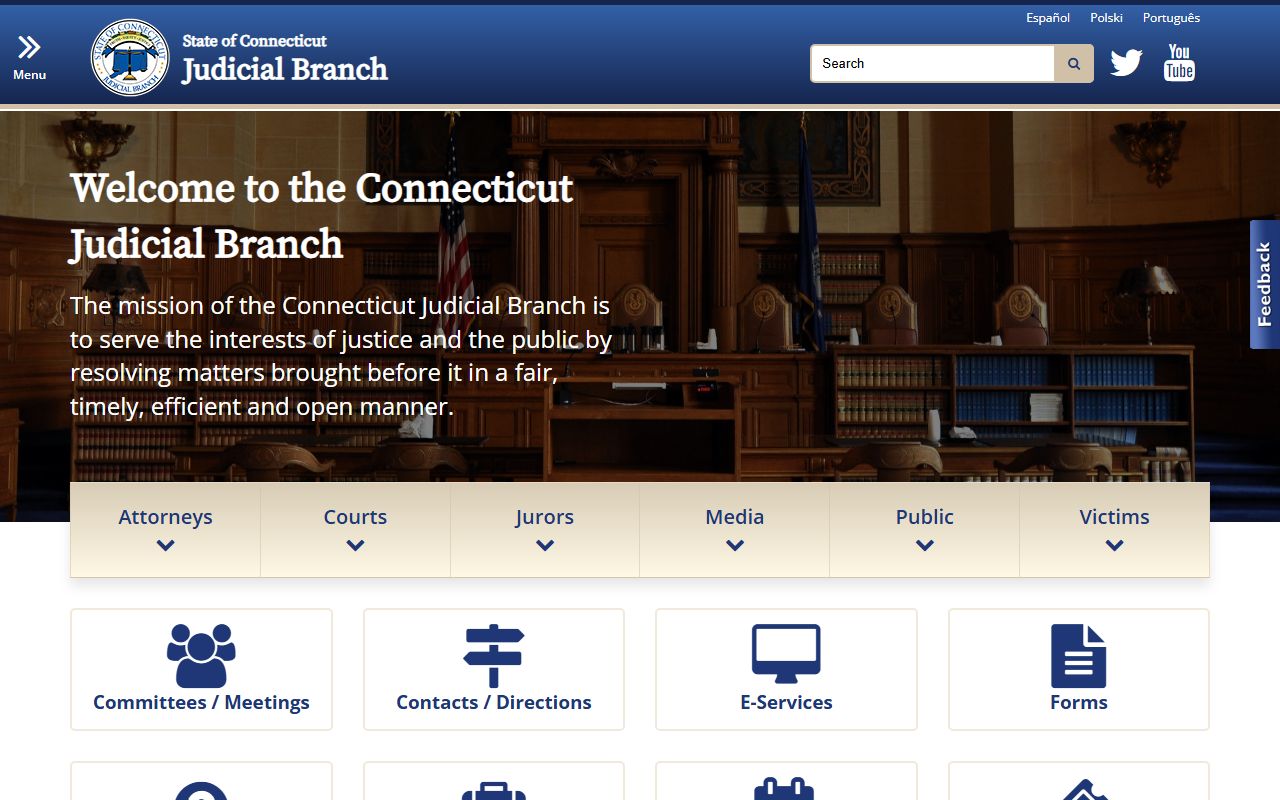
Fairfield residents can also use online lookup tools. The civil case lookup system covers family, housing, and small claims cases statewide. Enter a name or docket number to see basic case info. The system updates daily with data from all Connecticut courts, including cases filed in Fairfield. Results show parties, filing dates, and case status. You may need to visit the courthouse to view the full case file with all documents inside.
Searching Court Records Online
Start at the Connecticut Judicial Branch website. The lookup page has separate search tools for different case types. Pick civil, criminal, or housing based on what you need. Type in a last name to start. Add a first name if you get too many results. Select Fairfield Judicial District from the dropdown menu to narrow your search to local cases.
Search results list all matching cases from Connecticut courts. Click any case number to see the full docket with every hearing date and court action. Some documents may be viewable online depending on the case type. Appeals to higher courts show briefs and rulings that you can read on the screen. Most trial court records require a trip to the courthouse to see all the paperwork.
The state keeps disposed records at a central location. If a case is old or closed, send an email to SuperiorCourtRecordsCenter@jud.ct.gov. Include the case name and docket number. The Centralized Services Unit will pull the file and let you know how to get it. Small files can be emailed at no cost. Bigger files must be picked up in person at a Connecticut courthouse.
Note: Criminal background checks are not part of court records searches and must be obtained through the Department of Emergency Services and Public Protection.
Court Case Types in Fairfield
Civil cases cover lawsuits between people or businesses. Common types include breach of contract, property disputes, and personal injury claims. These files show what the plaintiff wants and how the defendant responded. Judges issue orders and rulings throughout the case. The final judgment tells who won and what remedies were awarded. Civil records in Connecticut are generally open under state law.
Family matters include divorce, custody, child support, and protective orders. Divorce records list grounds for dissolution, property division, and custody arrangements. Some family cases have privacy protections. According to Connecticut Practice Book rules, evaluation reports and certain documents may be closed to the public. Parties and their lawyers can access these materials but others cannot without court approval.
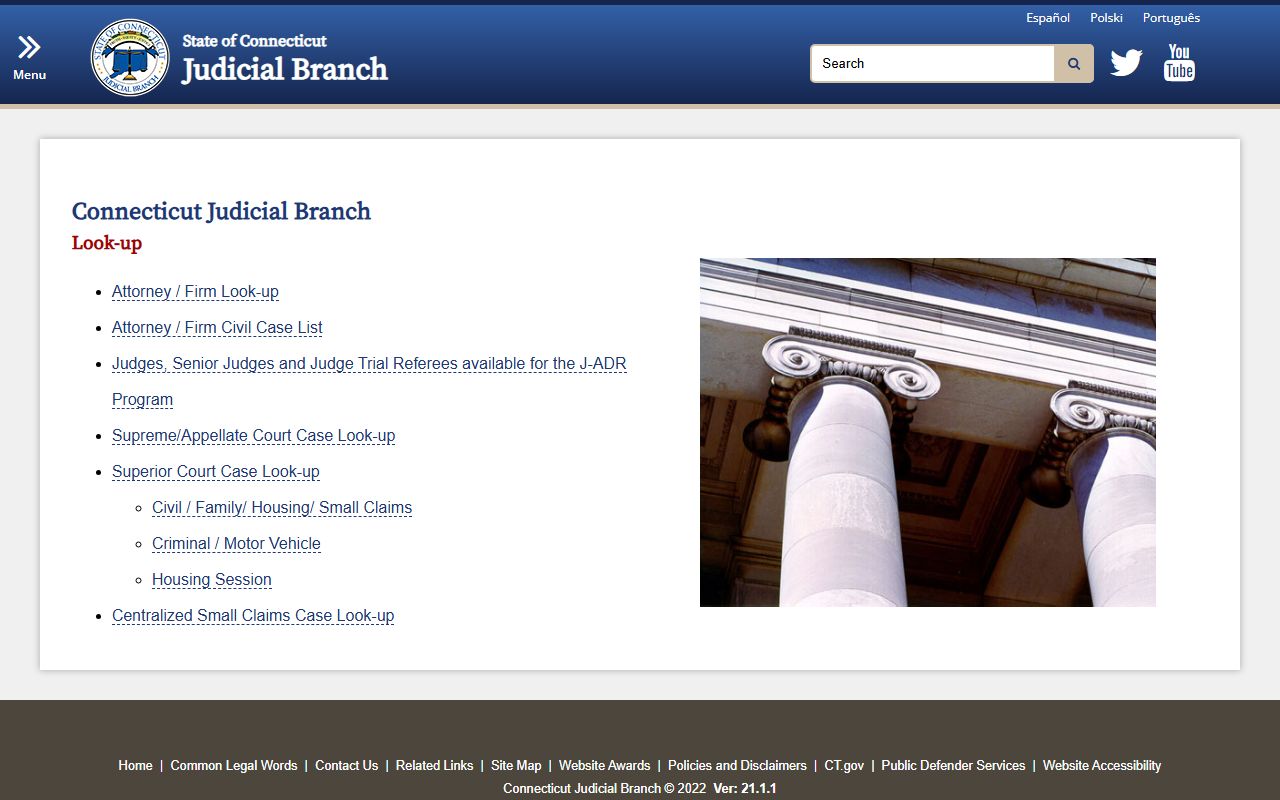
Criminal records show charges filed by the state against individuals. These cases range from minor motor vehicle violations to serious felonies. Court records list the charges, plea entered, trial outcome, and sentence if convicted. Connecticut law restricts access to certain criminal records over time. Dismissals become non-disclosable after 20 days. Nolle prosequi records are available for 13 months, then sealed under Section 54-142a.
Housing cases deal with evictions and other landlord-tenant disputes in Fairfield. These records show the complaint, answer, court hearings, and final order. Small claims cases are also part of the court system in Connecticut. The limit is set by statute and these cases move faster than regular civil suits.
Obtaining Copies of Records
Visit the courthouse in Bridgeport where Fairfield cases are heard. The clerk's office can locate your file and make copies. Connecticut charges one dollar per page for court records. Certified copies may cost more. Some people prefer certified copies for official purposes like appeals or government applications. Ask the clerk which type you need.
You can also request records by mail. Send a letter with the case name and docket number. Include a check for copy fees. Make it payable to the Clerk of Superior Court. Some courts take a few days to process mail requests, so allow extra time. Calling ahead helps you get an estimate of how many pages are in the file.
For disposed cases, the Centralized Services Unit handles retrieval. Email them with details about your case. They usually respond within one or two business days. Files that are not too large can be sent by email at no charge. Larger files must be picked up at a court location in Connecticut. You might need to show ID depending on the nature of the case.
Legal Help for Fairfield Residents
Statewide Legal Services of Connecticut offers free help to people with low income. They handle civil matters including housing, family law, and consumer issues. Call them to see if you qualify. Their attorneys can give advice or represent you in court depending on the type of case. This service helps many Connecticut residents who cannot afford a private lawyer.
The Connecticut Bar Association runs a lawyer referral program. They match you with an attorney who practices in the area you need. Private lawyers charge fees. Ask about rates during your initial consultation. Some may offer payment plans based on your situation. Getting a lawyer early in your case can make a big difference in how things turn out.
Fairfield residents can also use self-help resources from the Connecticut Judicial Branch. These guides explain how to file common types of cases without a lawyer. Forms are available online for free. The clerk's office can tell you which forms to use but cannot give legal advice about your specific situation in court.
Local legal clinics and community groups sometimes offer free workshops. Check with the Fairfield County Bar Association to see what programs they run. Law school clinics may also assist with certain case types under the supervision of experienced attorneys in Connecticut.
Police and Town Records
The Fairfield Police Department maintains incident reports and accident records separate from court files. Call their records division at (203) 254-4800 to request copies. Fees vary by department. Most charge around 50 cents per page. Reports are usually ready within a week of the incident, though some take longer if an investigation is ongoing.
The Fairfield Town Clerk's office keeps land records, vital statistics, and local ordinances. They can be reached at (203) 256-3110. Land records include property deeds, mortgages, and liens. Many towns in Connecticut now offer online access to land records through subscription services. Ask the town clerk how to search their system or visit in person.
Municipal ordinance violations are handled differently from state court cases. Some towns use citation hearing officers for local violations. Others process them through Superior Court as infractions. Connecticut General Statutes Section 51-164p governs how these violations are handled when fines fall within certain amounts.
More Court Information
Court forms are free on the Connecticut Judicial Branch forms page. Download the forms you need and fill them out carefully. Some case types require e-filing through the eServices portal. Attorneys and registered users can file documents online for most civil and family cases in Connecticut courts.
The Connecticut Law Library provides legal research resources. Their staff can help you find statutes and court rules. Knowing the law helps you understand your case better. Many people find it useful to research before going to court or talking to a lawyer.
For questions about court procedures in Fairfield, call the clerk's office at the courthouse. They can explain deadlines, filing fees, and other practical matters. Court staff cannot tell you what to do in your case but they can clarify how the system works in Connecticut.
Nearby Connecticut Cities
Residents of nearby towns also file cases at courts in Fairfield County. Check the pages below for information specific to those areas.